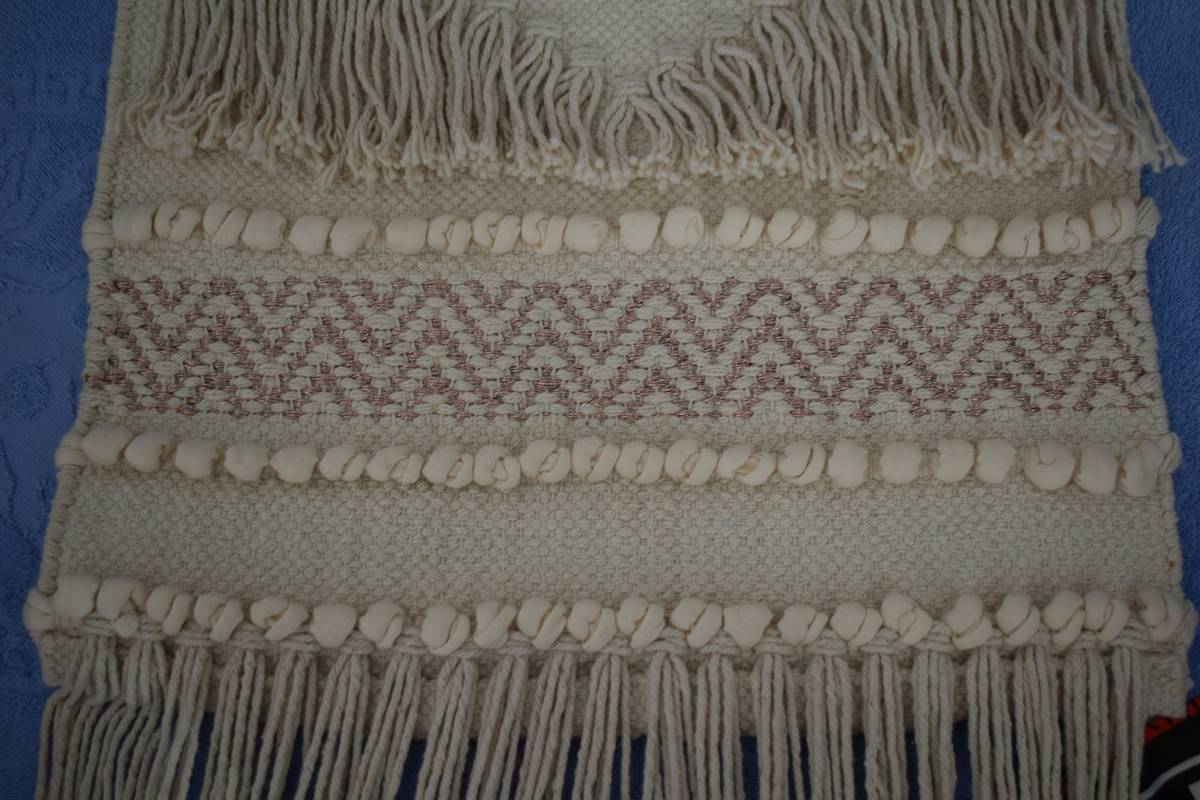
If you’ve ever stared at a bare wall wondering how to fill it without breaking the bank—or your sanity—you’re not alone. Macrame wall hangings have surged in popularity, especially in online education spaces where calming, handmade decor boosts focus and creativity. But here’s the truth: many beginners start with enthusiasm only to end up with tangled knots, uneven lengths, or worse—a lopsided mess that looks more “shipwreck” than “boho chic.” I learned this the hard way when my first easy macrame wall hanging attempt collapsed off the nail five minutes after I hung it. (Turns out, choosing the wrong cord thickness matters.) This guide cuts through the noise with actionable, beginner-friendly steps so your next project sticks—literally and figuratively.
Table of Contents
- Why Macrame Matters for Online Learners
- Step-by-Step Guide to Your First Hanging
- Pro Tips for Flawless Results
- Real Student Success Stories
- Frequently Asked Questions
Key Takeaways
- Macrame isn’t just decor—it reduces visual stress in learning environments.
- You only need 3 basic materials to start: cotton cord, a dowel, and scissors.
- The square knot is your foundation; master it before fancy patterns.
- Always measure twice—uneven strands are the #1 rookie error.
Why Macrame Matters for Online Learners
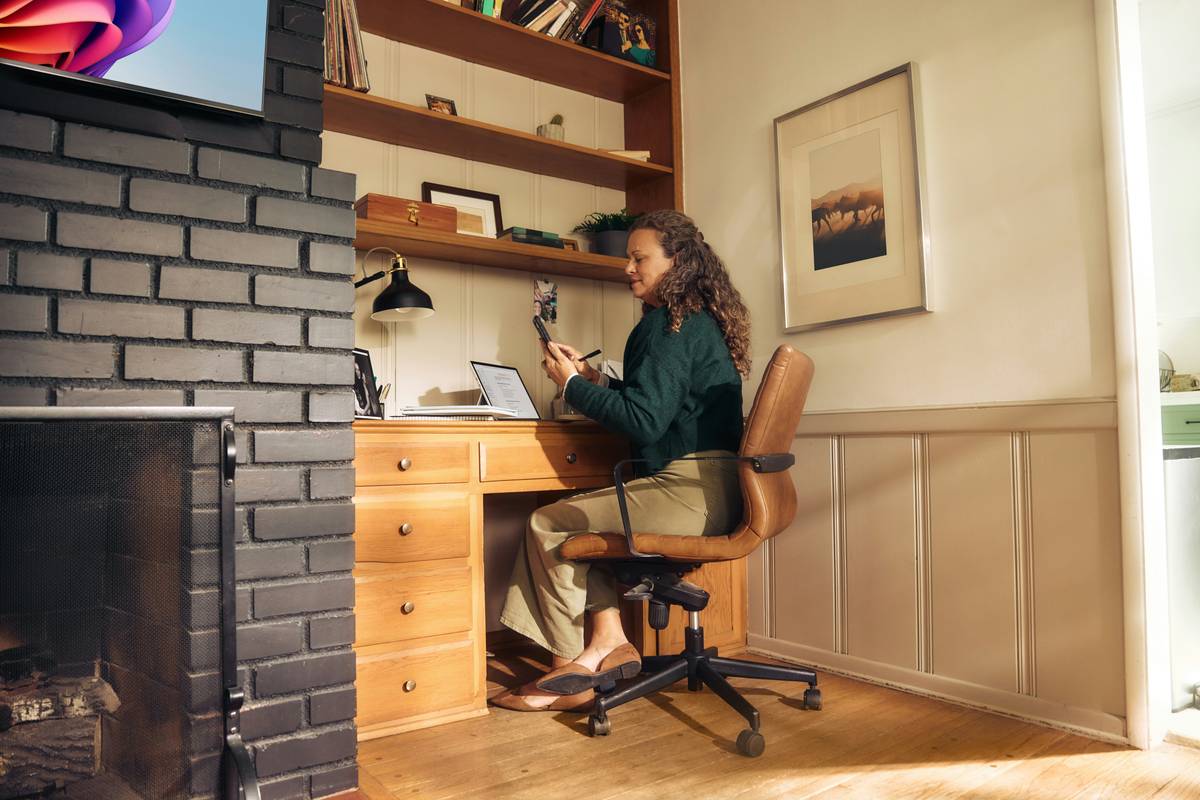
In today’s remote learning landscape, your physical environment directly impacts cognitive performance. According to a 2023 study published in the Journal of Environmental Psychology (via ScienceDirect), natural textures like woven cotton lower perceived stress by up to 18% during screen-based tasks. That’s why an easy macrame wall hanging does double duty: it personalizes your space while subtly improving concentration. Unlike mass-produced prints, handmade pieces add warmth without visual clutter—a key factor for students in arts-focused online courses who need calm, inspiring backdrops for virtual critiques or live demos.
Step-by-Step Guide to Your First Hanging
Gather Your Materials
You’ll need:
- 4mm 100% cotton cord (synthetics slip; avoid them)
- A 12-inch wooden dowel or driftwood piece
- Sharp fabric scissors
Pro tip: Buy extra cord. I once ran short halfway through and had to splice—resulting in visible weak points. Don’t be me.
Cut and Attach Strands
Cut 8 strands at 2.5 meters each. Fold them in half, loop over the dowel using a lark’s head knot, and pull tight. You should now have 16 hanging ends.
Start Knotting
Begin 10cm below the dowel. Divide strands into groups of 4. Tie a square knot (left over middle, right over left, then reverse) across all groups. Repeat every 8cm down the length until you reach your desired design height—usually 30–50cm for beginners.
Finish Cleanly
Trim ends evenly or add tassels. For security, dab a tiny drop of fabric glue on knots if displaying in high-traffic areas.
Pro Tips for Flawless Results
- Soak your cord first. Dampening cotton prevents fraying during knotting (University of Minnesota Extension confirms moisture improves fiber workability).
- Use painter’s tape on your workspace to mark consistent knot heights.
- Avoid the “YouTube Rush.” Skipping tension checks leads to wavy, unprofessional results.
- Terrible tip alert: “Just eyeball the measurements!” Nope. Always use a measuring tape—even pros do.
Real Student Success Stories
Last spring, online student Lena M. from our Arts & Crafts cohort transformed her Zoom background with a minimalist easy macrame wall hanging. Within two weeks, her professors noted improved engagement during studio sessions. She credits the tactile focus of knotting with reducing her screen fatigue—a sentiment echoed by craft therapy research from the American Psychological Association. Her final piece cost under $15 and took just three evenings to complete. You can see similar transformations in our About Us gallery, where we showcase learner projects that blend function and artistry.
Frequently Asked Questions
How long does an easy macrame wall hanging take to make?
Most beginners finish in 2–4 hours. Start small—complex designs come later.
What cord is best for beginners?
4–5mm single-strand cotton cord offers ideal grip and drape. Avoid nylon or polyester; they’re slippery.
Can I wash my macrame wall hanging?
Spot-clean only. Full immersion risks shrinking or distortion. For details on data handling during craft workshops, see our Privacy Policy.
Why does my macrame curl at the bottom?
Uneven strand lengths or inconsistent knot tension. Always comb ends with a wire brush post-completion.
Where should I hang it for best effect?
Above desks or beside reading nooks—anywhere you need soft texture to balance digital glare.
Ready to turn your blank wall into a statement? We’d love to see your creation. Share your progress or ask questions via our Contact Us page. Happy knotting!
Square knot tight,
Mind clear, wall bright.